

In short: UX (user experience) is the full impression someone forms when they use your website or product, how easy it feels, how quickly they get what they need, and how they feel afterwards. Strong UX builds trust, boosts conversions, and increasingly helps search engines and AI tools recognise your content as genuinely useful.
Most people hear the term UX (user experience) and think of layouts, buttons, or tidy interfaces. But great user experience goes far deeper. It’s the full journey someone has when they land on your website, use your product, or interact with your brand online. It’s how easy something feels, how quickly they get what they need, and the impression they’re left with when they walk away.
UX isn’t just design. It’s clarity. It’s emotion. It’s how people understand who you are and what you offer.
For small and mid-sized businesses especially, UX can be the difference between someone converting or bouncing, trusting you or moving on to the next competitor.
What UX really means
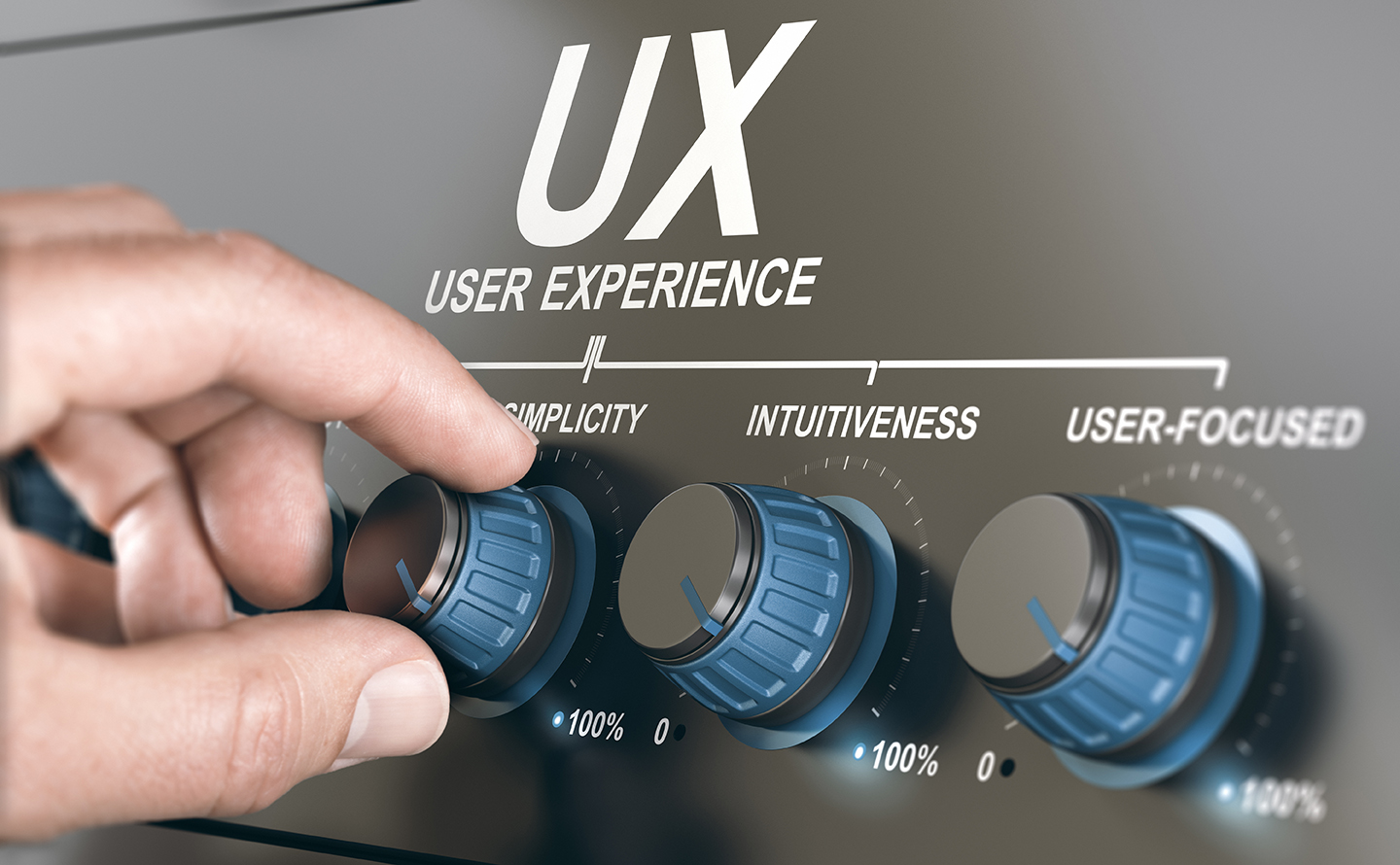
User experience or UX is the collective impact of:
- How easy your product or website is to use
- How well it performs on different devices
- How accessible it is for every type of user
- How intuitive the journey feels
- How the design supports decision making
- How someone feels while using it
Strong UX removes friction so people can focus on what matters. Weak UX creates barriers that stop them engaging at all.
Why UX is so important today
1. It keeps people on the page
Attention spans are short. If a visitor can’t find what they need quickly, they leave. A clean, intuitive experience keeps people exploring your site and absorbing your message.
2. It builds trust
When your website or product is easy to use, it signals professionalism. People trust brands that feel structured, modern, and intentional. Good UX shows you care about how customers experience your business.
3. It boosts conversions
Whether it’s a booking, a sale, or an enquiry form, UX directly influences the moment someone decides to act. Clear navigation, helpful content, and smooth user flow all increase conversion rates.
4. It reduces long term costs
Fixing UX early prevents bigger problems later. Clear design, simple journeys, and fewer support requests all save time and money. When users understand things instantly, your team spends less time explaining.
5. It gives you an edge
In crowded markets, UX is often the deciding factor. Two companies can offer the same service, but the one with the easier, more enjoyable experience will win. A strong UX strategy helps you stand out and stay relevant.
Why UX matters for search (SEO, AEO and GEO)
Search behaviour is changing fast. Today, people use conversational queries, voice assistants and local search to get what they want quickly. That means search engines increasingly reward websites that offer fast, clear and human friendly experiences.
UX supports SEO
Search engines track things like bounce rate, dwell time and page performance. Good UX keeps users engaged, which boosts organic visibility.
UX supports AEO (Answer Engine Optimisation)
People are asking questions in natural language. Clear headings, structured content and straightforward explanations help your website appear in featured answers across voice and AI led search
UX supports GEO (Generative Engine Optimisation)
When search results become more conversational and recommendation based, your brand needs content that is human, helpful and easy to understand. UX plays a huge part in how discoverable your business is in these new AI driven spaces. Strong UX gives search engines confidence that your content is useful. That makes your site more likely to be recommended, summarised or featured across modern search tools.
What Good UX looks like for small businesses
You don’t need a huge digital team to improve user experience. The most effective wins are simple:
- Make your navigation clear and uncluttered
- Prioritise load speed across mobile and desktop
- Create pages built around the questions customers ask
- Avoid jargon and use plain English
- Guide users naturally through their journey
- Remove unnecessary steps from forms and checkouts
- Make sure everything is accessible and readable
- Design layouts that support the message, not distract from it
Good UX feels invisible. People don’t notice that everything works smoothly, but they do notice when it doesn’t.
Why This Matters for Your Brand
Your website is often the first impression. If it feels confusing, slow or disconnected from your brand, potential customers lose confidence. But when it feels intentional and easy to use, they understand your value immediately.
Great UX shows who you are before they even read a word. It gives your brand personality, clarity and credibility.
Final thought
UX isn’t a technical add on. It’s the foundation of how customers experience your business. It helps them trust you, engage with you, and ultimately choose you. And in a world where search is shifting toward natural language and personalised answers, UX is becoming even more critical for visibility and growth.
Once you have nailed the UX on your website, you’ll want to track how it’s performing. Read our article on Why Analytics is the Unsung Hero of Successful Marketing next.
If you’d like practical advice on your website user experience, just get in touch.
Frequently Asked Questions
What is UX in simple terms?
UX, or user experience, is the full impression someone forms when they use your website or product. It covers how easy it is to use, how quickly they find what they need, and how they feel about your brand afterwards.
Why does UX matter for a small business?
UX can be the difference between a visitor converting or bouncing to a competitor. For smaller businesses without a big brand name to lean on, an easy, trustworthy experience is often what wins the decision.
Does good UX actually improve conversions?
Yes. Clear navigation, helpful content and a smooth journey all directly influence the moment someone decides to book, buy or enquire. Removing friction from that journey increases the chance they follow through.
How does UX affect SEO and AI search visibility?
Search engines track engagement signals like bounce rate and dwell time, which good UX improves. For AEO and GEO, clear headings and structured, plain-English content also make it easier for AI tools to understand and cite your site as a helpful source.
What are quick UX wins for a small business website?
Clear, uncluttered navigation, fast load speed on mobile and desktop, plain English instead of jargon, and shorter forms and checkouts are all low-cost changes that make a noticeable difference without needing a big digital team.
Do I need a big budget to improve my website’s UX?
No. Many of the most effective UX improvements, clearer navigation, simpler forms, plain language, faster load times, are achievable without a large team or budget. It’s about removing friction, not adding complexity.